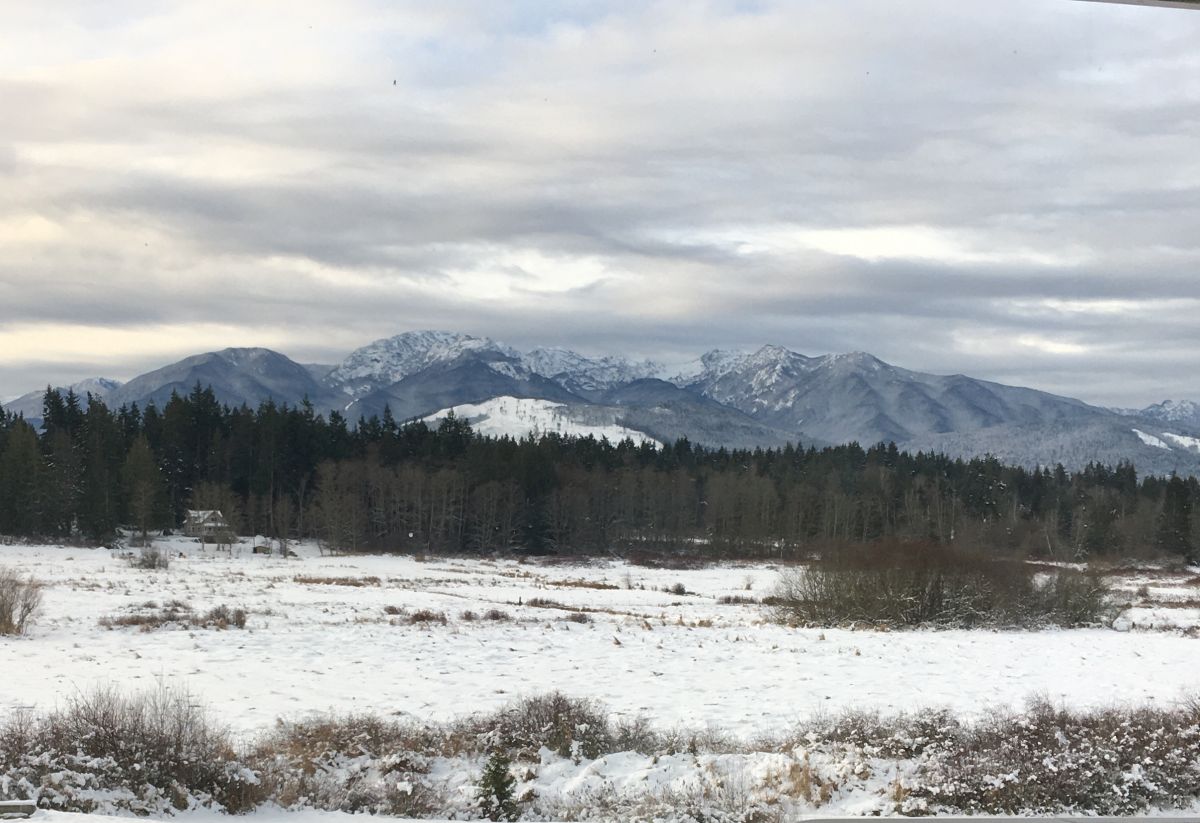
| We live in a community of eight or so neighbors whose homes are spread about around the edges of a large wetland (a meadow in summer, a snowy field in winter and a boggy swamp in the spring). Here's a winter scene of that wetland, the picture taken from my office window. If you look carefully you can see our son Bowen's house about 1/3 mile away, across the wetland. Twenty years ago, we traded our suburban life for this more rural one. Always there are tradeoffs. What we gave up was being able to take public instrastructure for granted. It isn't free, of course, it is paid for with taxes and utility bills, but when something goes awry, there's always a number to call with workmen coming out in all kinds of weather to put it aright. You'll see in the following pictures how we must handle infrastructure on our own. |
|
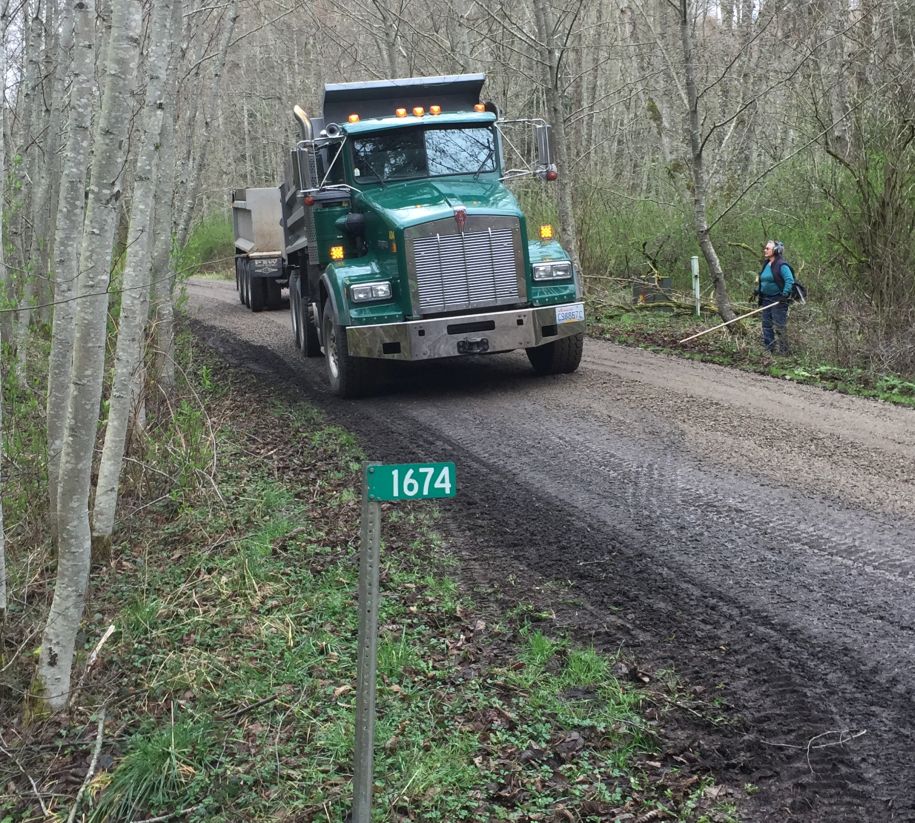
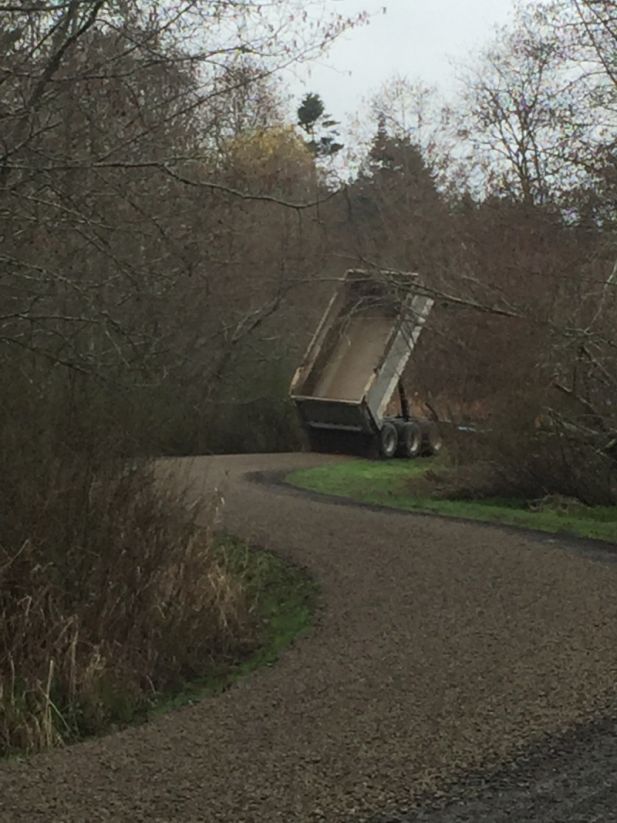
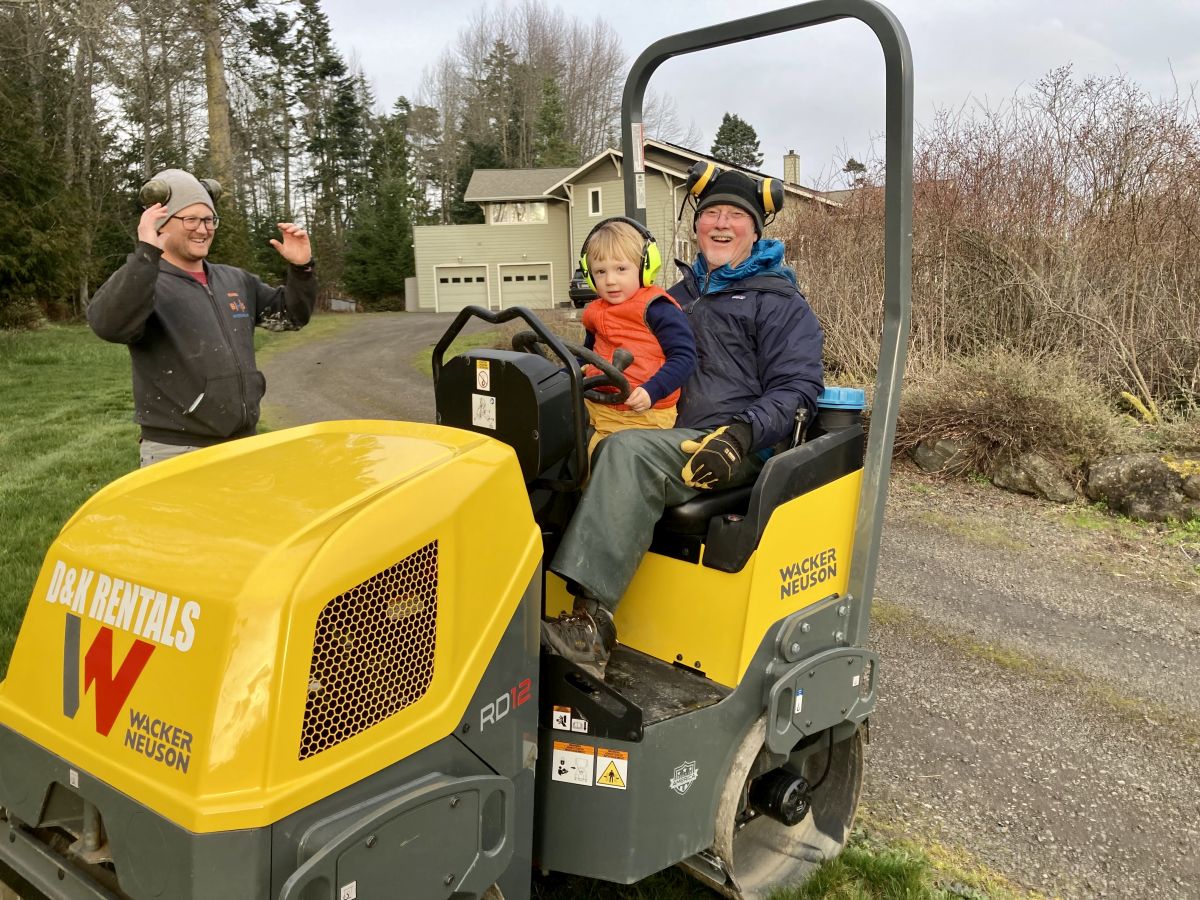
| Once every two or three years, our common gravel roadway, needs tending. Nope, don't call County Road department. Get all the neighbors together with rakes and shovels and a commitment to split the cost, order gravel to be delivered and spread, then rent a roller to pack the gravel down. We did this in March. |
|
| After the gravel is raked smooth and rolled, it's time for some fun. |
|
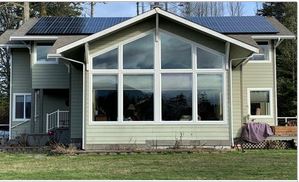
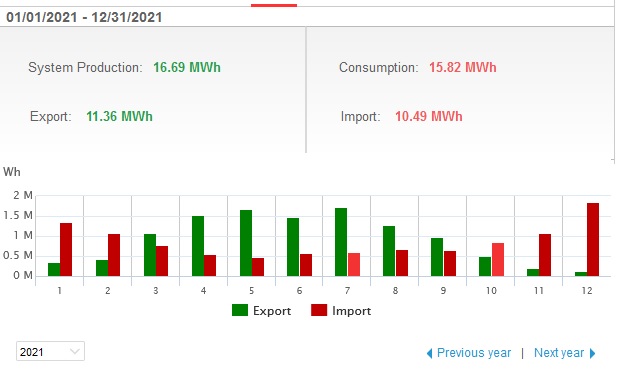
| Although we are served with Public Utility District electricity, we are more or less at the "end of their line". Outages happen. So we, as well as some of our neighbors, have invested in roof-top solar power. Not only does it reduce our monthly bills but it provides a bit of backup when the PUD electricity suffers interruption. This is especially helpful since a private well with an electrically-driven well pump is each home's water source. We export excess kW to PUD during sunny months, and import from them during the dark months, as you can see from the graph for year 2021. |
|
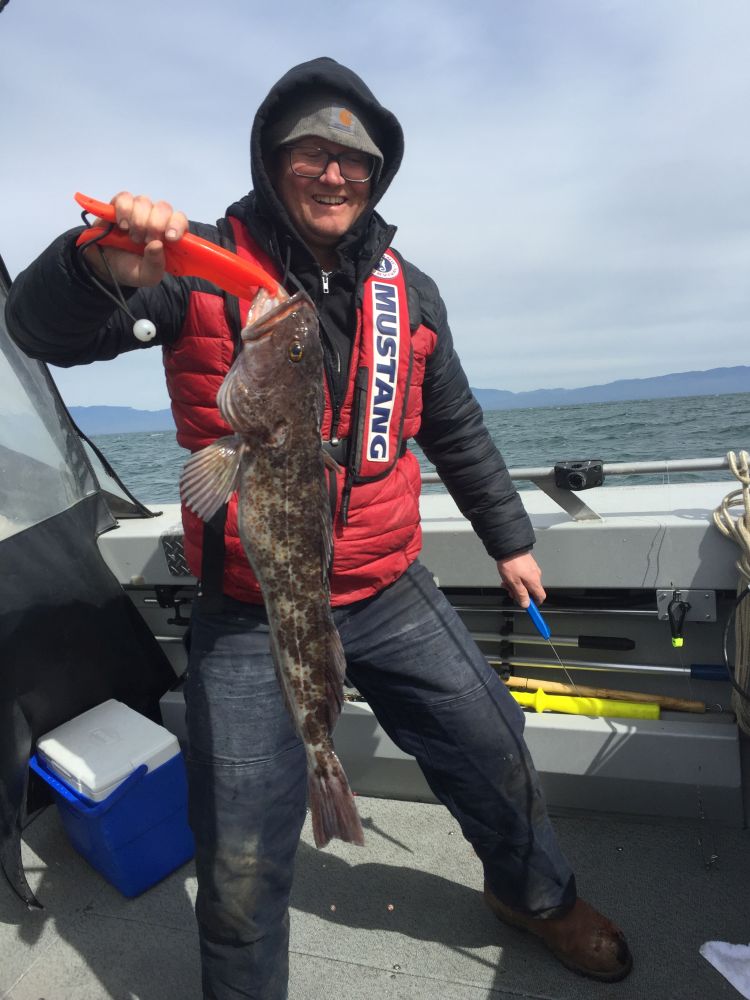
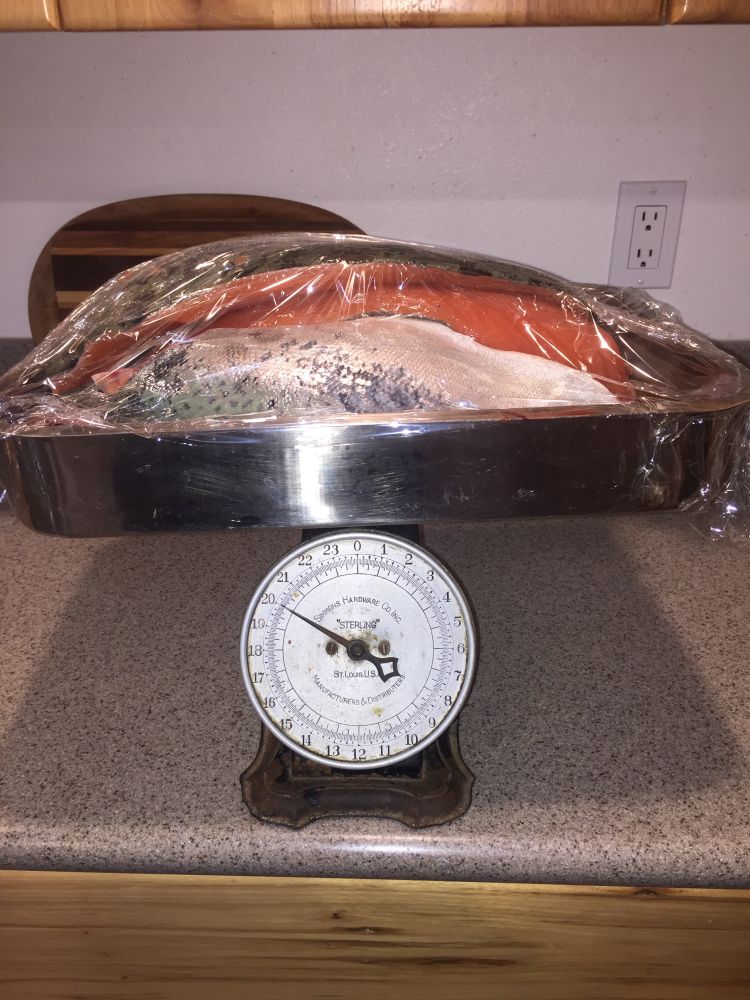
| "Hunt and Gather" for food is another aspect of life here. On the left, a ling cod is an excellent white-meat fish. On the right, a day's haul of salmon from the same fishing trip. |
|
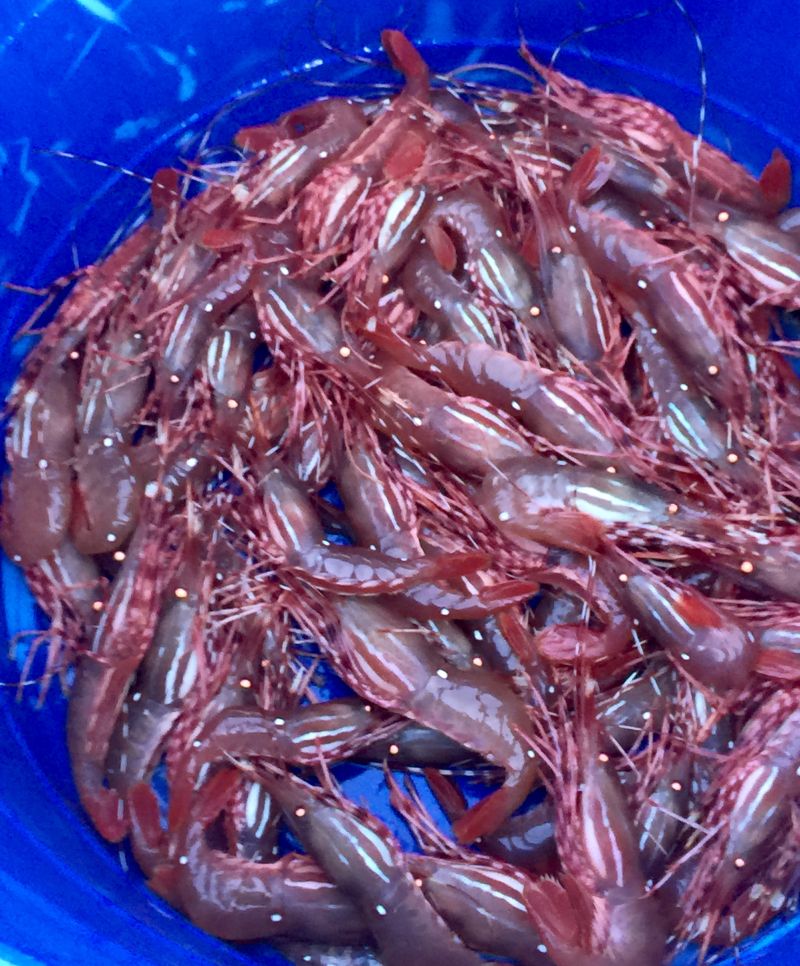
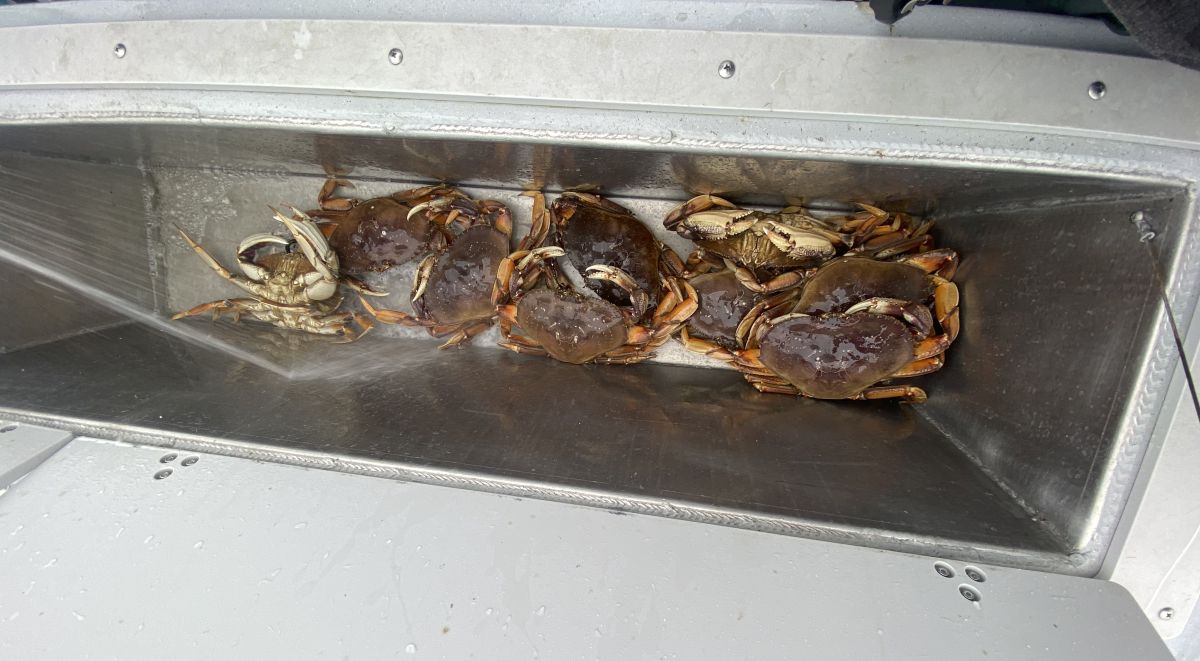
| Shellfish gathered and later frozen for winter consumption: spot prawns on the left, Dungeness crab on the right. These are both collected closer to home, in the Strait, not far from Sequim. |
|
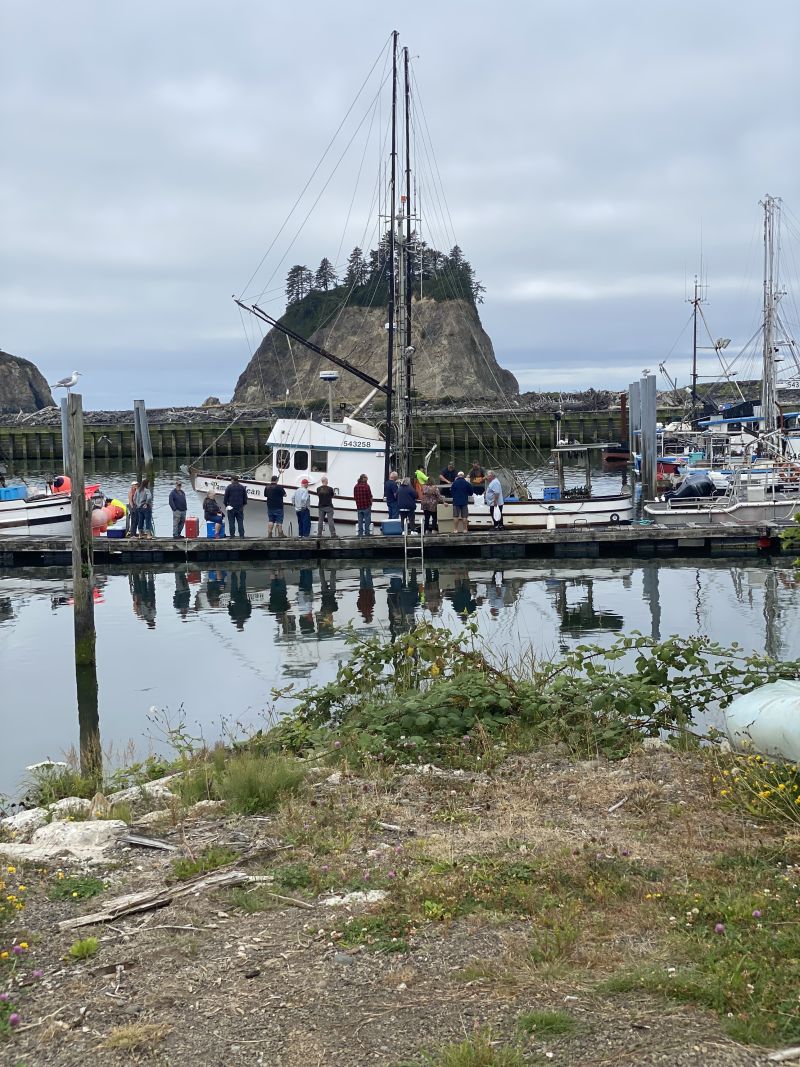
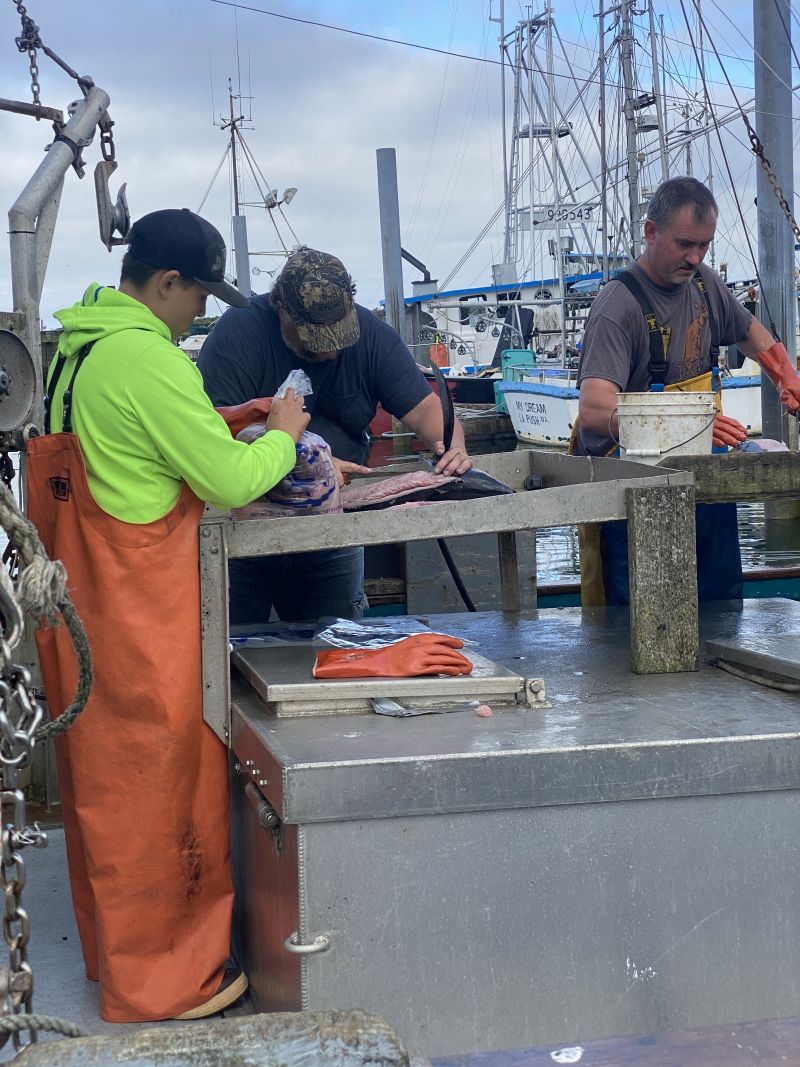
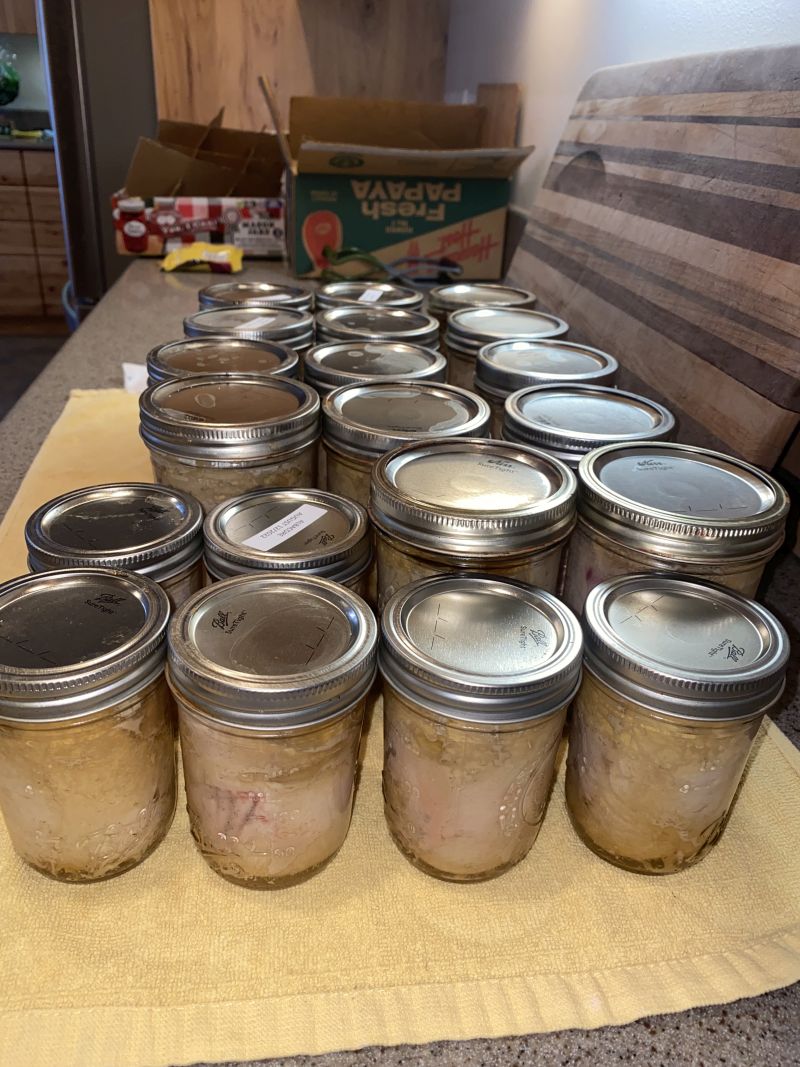
| We purchase albacore fresh from a La Push commercial fisherman, then we pressure can it for later use. Here's pictures of the sequence: standing in line to purchase the catch; our fish being filleted right on the boat; now cut to a few hours later - the fish are in jars. How quickly the fish goes from wiggling to jar is what ensures its quality. |
|
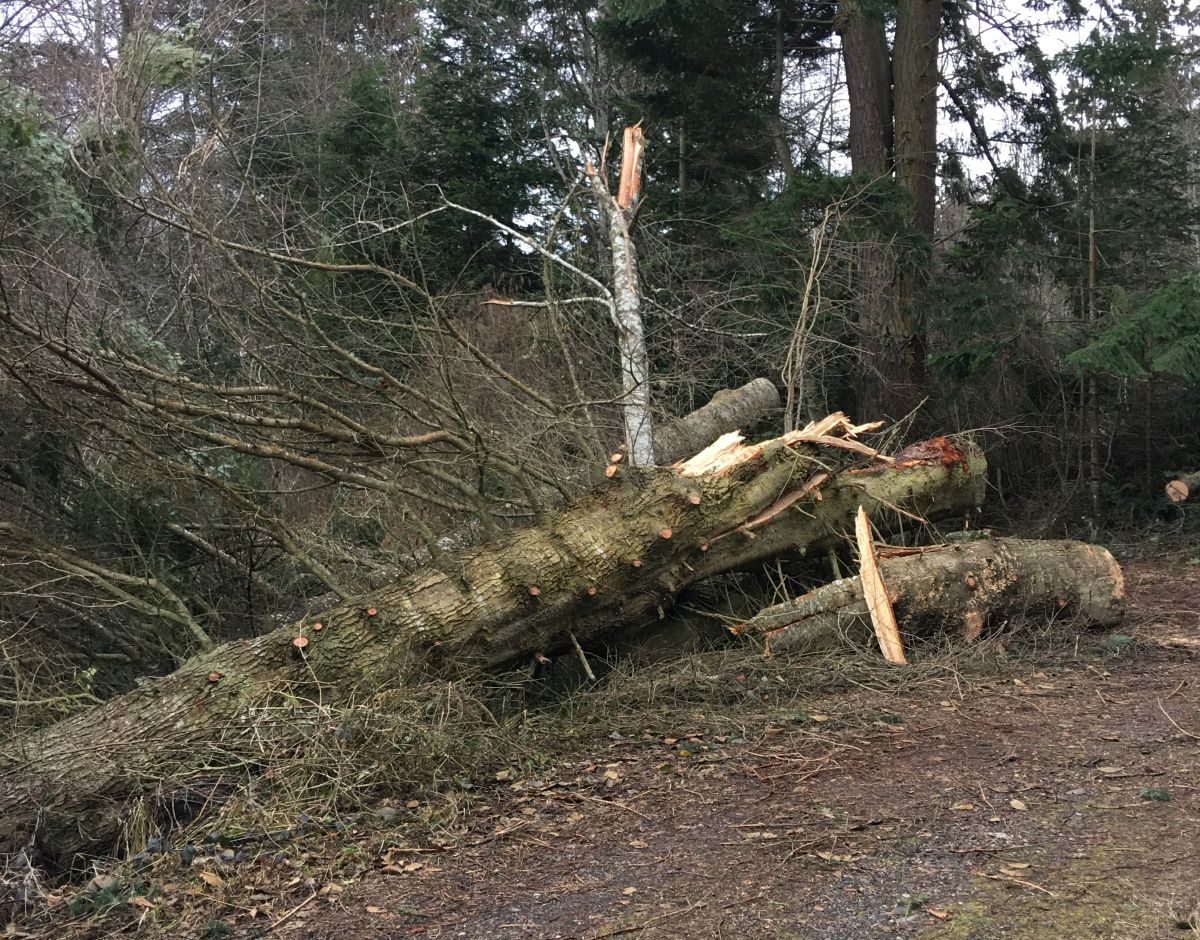
| By October we thought our work was done for the summer. Road repaired, house painted, food collected and preserved. We embarked on our fall project, that of repairing Ruth's knee. But while we were away, a big windstorm blew through our neighborhood which left trees down across the road. More infrastructure to tend. Fortunately the neighbors and Bowen stepped in to help. They cleared the roads enogh to allow passage. |
|
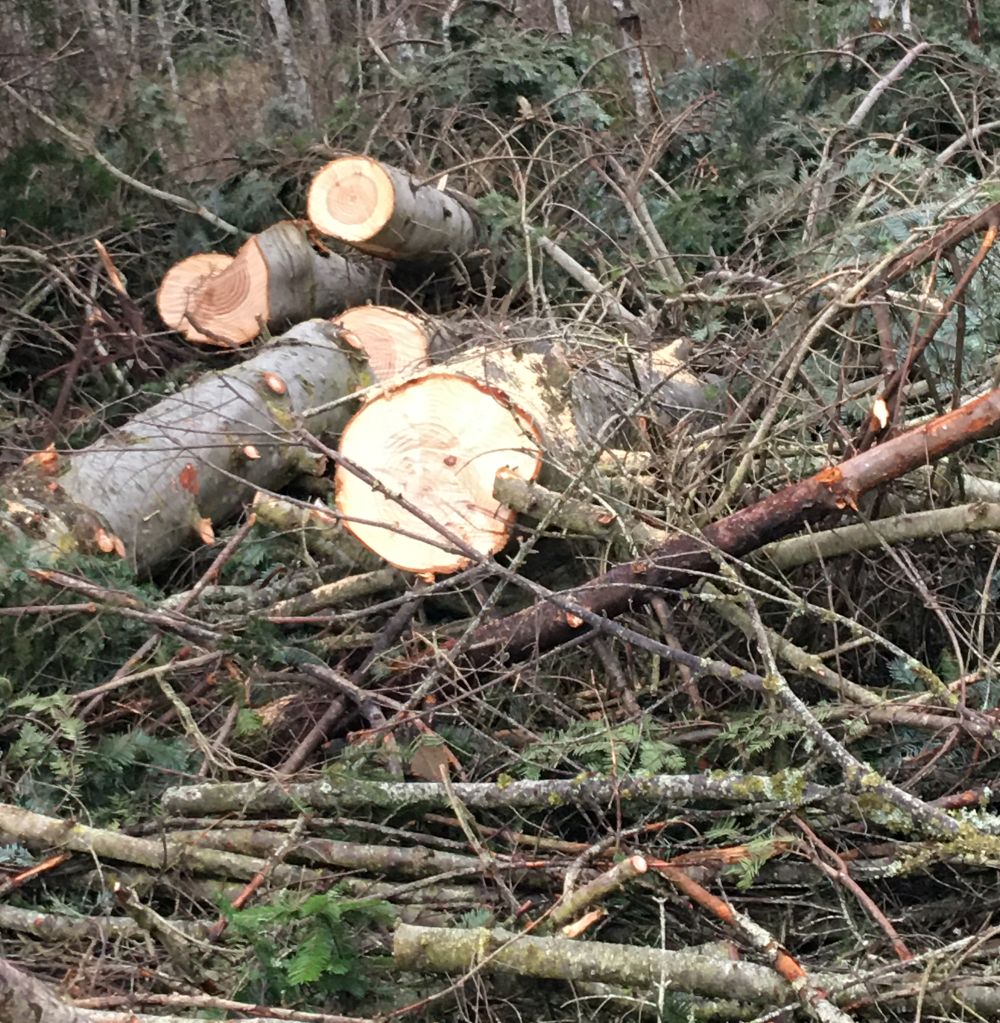
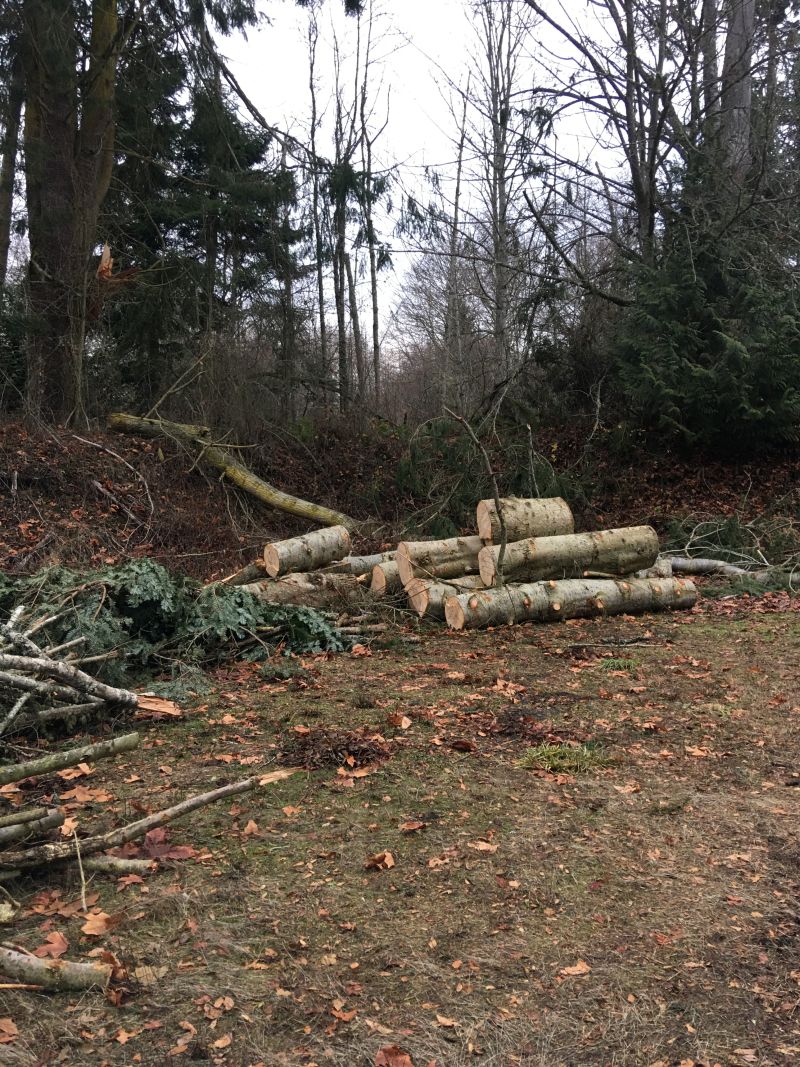
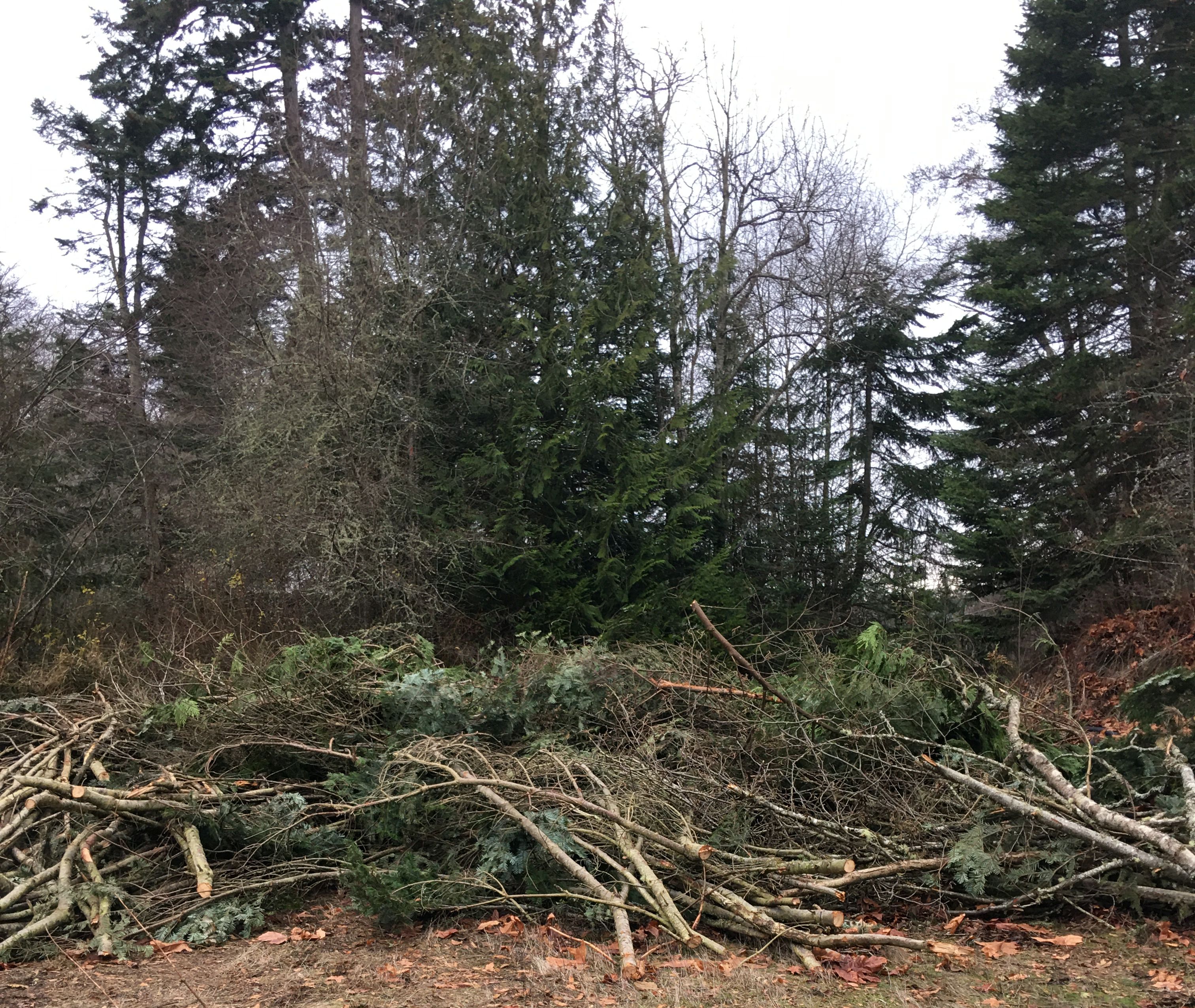
| Now that we have returned home, we are completing the task: bucking up the logs, piling up the slash. Next we will rent a big chipper to mulch the slash, then next summer I'll split the logs for firewood.
|
|
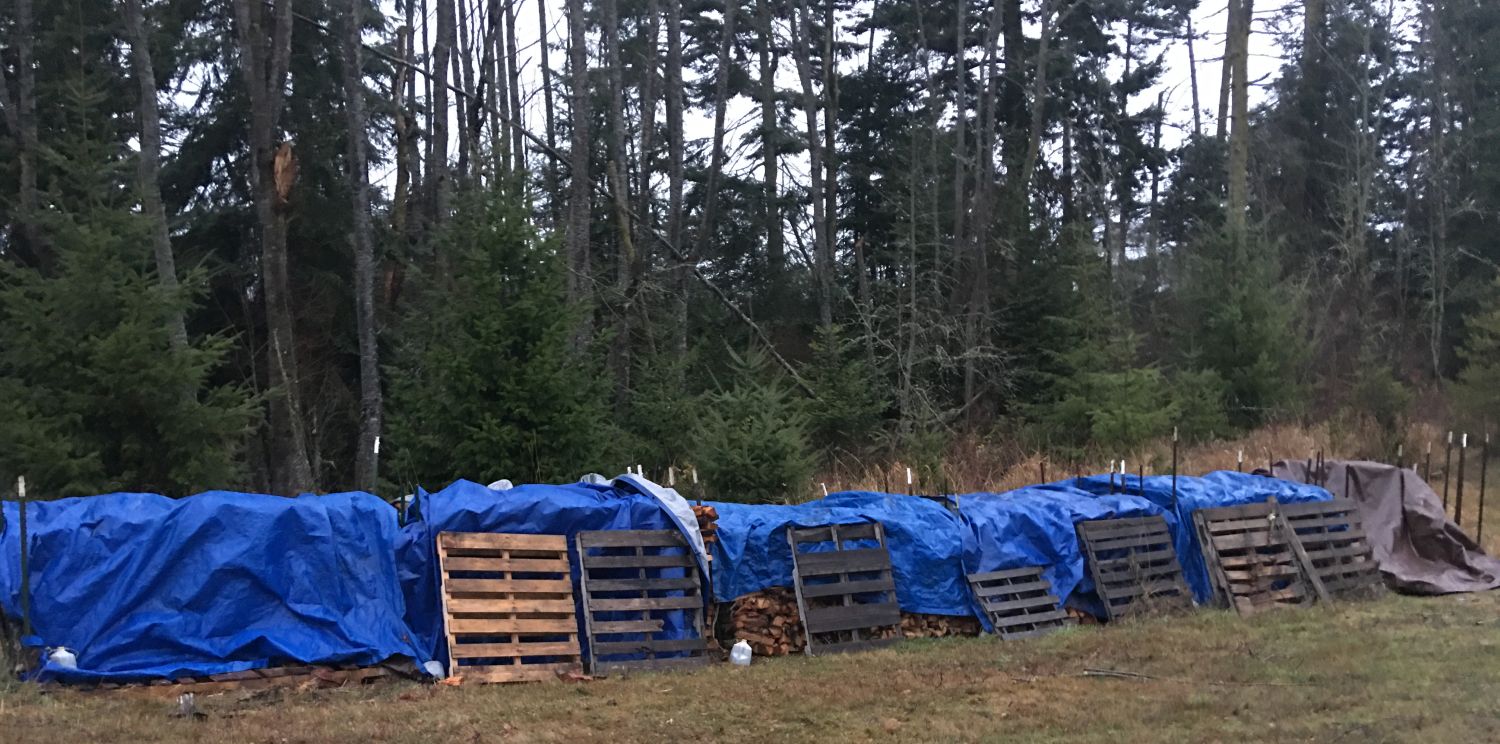
| Which brings us to one last mention of our DIY utilities. Each summer, using a good hydaulic log splitter, and sometimes a hapless visitor who gets roped in to help, I split and stack four or so cords of firewood. That winter we heat our house using just about four cords from the previous year. We do have heat pumps but since they use supplemental resistance heating when the outside temperature dips below ~37°, we rely primarily on our airtight woodstove and the free firewood that mother nature has provided. Some of our friends' wood storage bins are works of art; we aren't as talented as they, so our wood is stored in two-cord bays, just covered with tarps. What you see here is our wood as well as our son Bowen's wood for this year and next year.
|
|
Reduce, Reuse, Recycle .